

From today’s Open Europe news summary:
Business Secretary says growth must take priority over deficit as Carney warns Brexit risks beginning to ‘crystallise’
Bank of England Governor Mark Carney yesterday warned that the financial risks of Brexit “have begun to crystallise” and relaxed rules on banking capital, with the aim of releasing as much as £150bn in possible loans. The heads of Barclays, Lloyds Banking Group, Royal Bank of Scotland, HSBC, Santander, Nationwide Building Society, Metro Bank and Virgin Money signed a joint statement that they would “make the extra capital available to support lending to UK businesses and households in this challenging time”. Carney said that the resilience of the UK financial system could be seen in the fact that “overall bank funding costs have not increased”.
Meanwhile, in an interview with The Financial Times, Business Secretary Sajid Javid said the focus now was on “more economic growth”, suggesting that the combination of a downturn and a new fiscal stimulus could cause the budget deficit to rise from 3% of GDP to 5%. He called for corporate and personal tax cuts. Three UK commercial property funds worth about £10 billion pounds suspended trading and redemptions yesterday as investors sought to remove their cash. The pound this morning dropped to 31-year low against the US dollar and its lowest level against the euro since 2013.
Source: Bank of England The Financial Times The Wall Street Journal: Boleat The Financial Times 2 Politico The Times
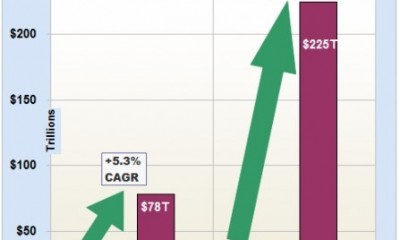
Bank of England Governor Mark Carney, the heads of major UK banks, and Business Secretary Sajid Javid propose more money printing and more debt for an economy already awash in both and which has led to no discernible benefit except to the pay packets for executives and government bureaucrats. Brexit is an opportunity to shirk off not only the discredited policies of Brussels but also the discredited Keynesian policies advocated by the London establishment. The UK DOES need to reduce its budget deficit. Like any household, government must live within its means and stop confiscating the nation’s resources through the subterfuge of money printing. Only through sound money and honest borrowing will the electorate be able to decide if it wants to continue to pay for pie-in-the-sky welfare programs and military adventurism. It would be a cruel mistake to use Brexit as a pretense for even more money printing and more uncollectible debt. The path to prosperity is through hard work and savings, not the Bank of England’s money printing press.



Facebook
YouTube
RSS