Re: Consumers Prime the U.S. Pump Dear Sirs: Your definition of “good news” for the U.S. economy is defined as an increase in “real, or inflation-adjusted, personal-consumption expenditure”, which was driven by a “savings rate, which slipped to 4.8% from
Archive for July, 2015
Central Banks and Our Dysfunctional Gold Markets
Reprinted from Mises.org Many investors still view gold as a safe-haven investment, but there remains much confusion regarding the extent to which the gold market is vulnerable to manipulation through short-term rigged market trades, and long-arm central bank interventions. First,
A Bankrupt Candidate for a Bankrupt Nation
“Voters vote on how they feel and what their instinct is,” Howard Dean said on Morning Joe, explaining Donald Trump’s popularity in the polls and in particular with the New Hampshire focus group that John Heilemann spoke with. I think
Short Memories in Las Vegas
Reprinted from LewRockwell.com Rates are low, the weather is hot, and builders are more active than they’ve been in years. “Groundbreakings on new homes surged 26.6% and permits to build new homes rose 30% in June compared to one year
5 Unintended Consequences of Regulation and Government Meddling
Reprinted from the Freeman Voters frequently support measures that sound noble and beneficial but end up causing serious mischief — and often hurt the very groups the measures were intended to help. A well-known example is price controls, which include
Keynesians Wrong About Stimulus, Coming AND Going
In a previous post here at Mises CA I chronicled the hole Krugman keeps digging for himself regarding the botched warnings over the so-called “sequester” in 2013. Specifically, Krugman’s latest excuse is to say that when he argued back in
A fourth economic fallacy about Greece
Recently I posted a short essay listing three economic fallacies about the Greek crisis. The three were (1) the euro is too strong a currency for Greece, (2) debasing its own currency will allow Greece to export its way to
The Übermensch vs. Uber & The Poor

In a previous article, I wrote about mankind’s greatest invention: The Free Market System. History has proven that there is no other system heretofore created that has generated so much wealth and prosperity for the average person. Plus, no other
My letter to Wolfgang Munchau of the Financial Times, London
Re: The make believe world of eurozone rules Dear Sir: In your otherwise fine column today-Monday, July 27, 2015-you conclude with this statement: “…Germany does not want to grant Greece debt relief for political reasons, and is using European law
Friedrich A. Hayek (1899-1992)
Reprinted from the Freeman Friedrich A. Hayek, who died on March 23, 1992, at the age of 92, was probably the most prodigious classical liberal scholar of the 20th century. Though his 1974 Nobel Prize was in Economic Science, his
Economic Fallacies about Greece
There has been much unscientific economic pronouncements about Greece’s financial problems and especially how to solve them. Below is a short list of three of these economic fallacies. 1. The euro is too strong a currency for Greece. This statement
The Parenthood Market

Reprinted from the Freeman Economist Abigail Hall is under fire for her defense of selling babies. A research fellow with the Independent Institute, Hall makes a case for deregulating the adoption market in a post for the institute’s website, provocatively
Greece Should Learn from Ireland
Reprinted from the Independent Institute Greece missed its $1.8 billion loan repayment to the International Monetary Fund on June 30, and voters rejected the austerity measures creditors are demanding as the price of another bailout on last Sunday’s referendum. Greece
Why Ludwig von Mises Admired Sigmund Freud
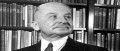
Reprinted from the Freeman Sigmund Freud has been dead 76 years. Still, his ideas are daily in the news — debated and denounced — and yet so much a part of how we think. Defense mechanisms, Freudian slips, projections, talking
War on drugs and its effects on freedom and private property
Much has been written about the War on Drugs, especially its disastrous effects on the life of individuals, the economy, and the growth of the police state. All of this is caused by society’s need to reduce the use of
A Pseudo-Tax: Regulation of Public Utilities
Introduction Every American business and household is directly and indirectly impacted by the seemingly never-ending rise in public utility prices (including airports, electricity, gas, post, public transport, rail, seaports, telecommunications, and water & sewerage). The state and federal regulation of
Stephen Poloz’s Zen Moment
To cut or not to cut, that is the question. And fortunately for Bank of Canada Governor Stephen Poloz, it was a pretty easy question. A lagging US recovery, China’s downturn, lower oil prices and “bad weather” all contributed to